
Blog
Key Takeaways From Fixed Summit 2026's Fire & Life Safety Session With Multifamily Maintenance Leaders, Innovators and Service Providers
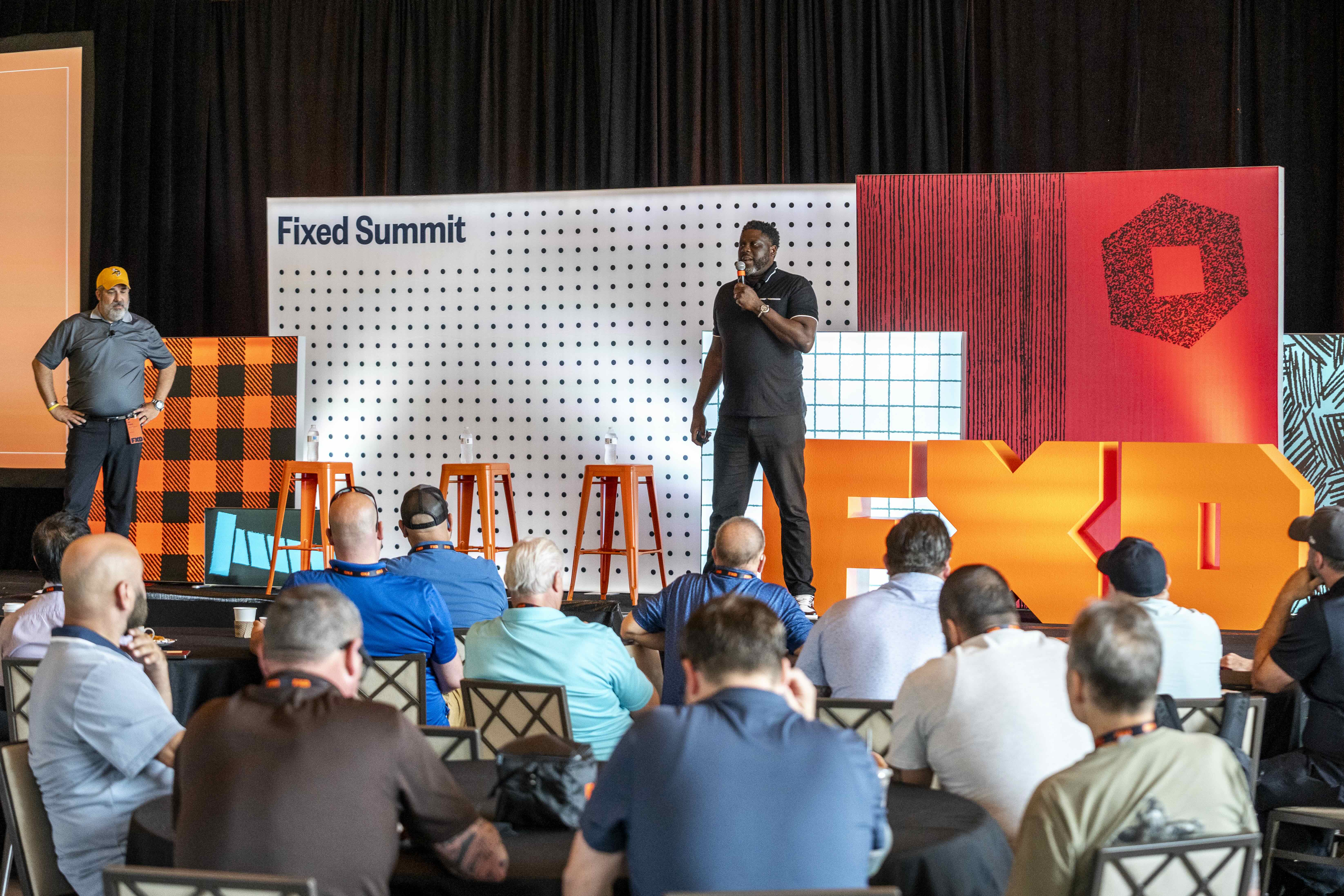
The main stage at Fixed Summit 2026 kicked off with one of the most important — and most under-discussed — topics in multifamily property management: fire and life safety.
Led by Cerwin Thompson (VP of Facilities, RPM Living) and Rick Picquet (Director of Maintenance, Bell Partners), with special guests Bret Gundersen (National Account Manager, BRK/Resideo) and Michael Pigg (CEO & Owner, Premier Fire Protection), the session was equal parts energetic, eye-opening, and urgent.
Here's what every maintenance professional, regional manager, and property owner in the room needed to hear.
The session opened with a powerful reminder: maintenance teams aren't just fixing work orders. They are the frontline defenders of fire and life safety in their communities.
"You are the reason why we are here today. Residents see you, they look at you to solve their problems. You hold a tremendous amount of knowledge — and with that comes a very strong sense of responsibility." — Cerwin Thomas, VP of Facilities, RPM Living
Every day — whether walking the grounds, responding to a resident call, or conducting a routine inspection — maintenance professionals are managing risk. That means seeing something, saying something, and above all, documenting it.
The message was clear: documentation isn't bureaucracy. It's protection — for residents, for teams, and for the organizations they work for.
Michael Pigg of Premier Fire Protection didn't sugarcoat the state of fire safety in multifamily housing:
"Fire doesn't wait for next month's budget. It's a second-spark-and-catastrophe situation. Fire protection systems are the only thing standing between safety and total loss." — Michael Pigg
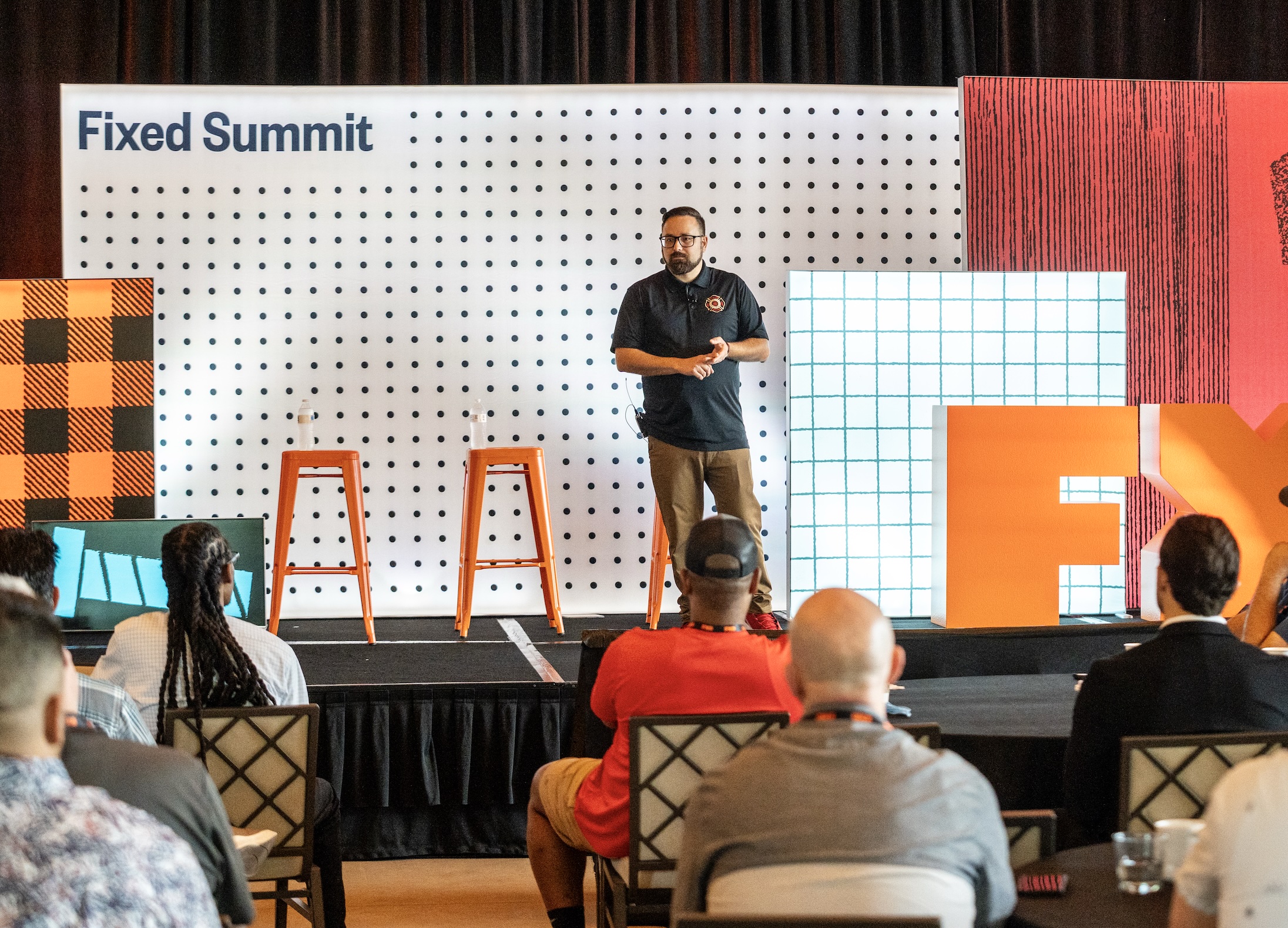
The panel walked through the most common — and most preventable — fire safety failures happening across the industry right now:
"Currently in Oxnard, California, there's a property manager, a regional manager, and a maintenance professional all sitting behind bars — because they had direct knowledge of a fire life safety issue and failed to act." — Michael Pigg, CEO & Owner, Premier Fire Protection
Bret Gundersen from BRK/Resideo gave attendees a look at the next generation of smoke and CO alarm technology designed to reduce the PTSD-inducing 3 a.m. battery chirp — and more importantly, to improve actual safety outcomes.
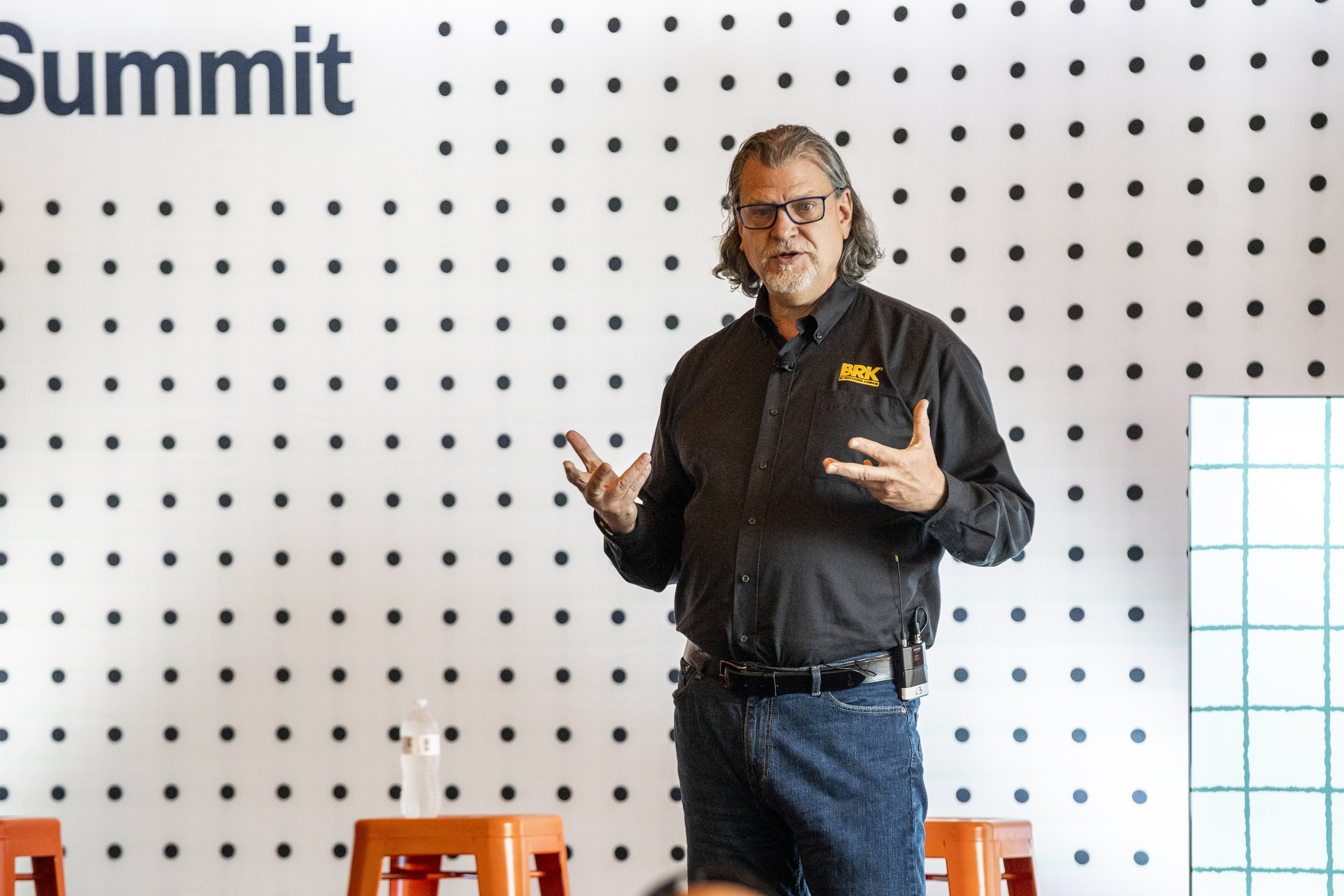
Key innovations coming to market:
The goal: fewer nuisance calls, more proactive maintenance, and higher confidence that alarms are actually working.
One of the most practical segments of the session was a live demonstration of Premier Fire Protection's fire safety budget calculator — built to help maintenance teams and property managers bring accurate, defensible numbers to owners and operators.
The key insight: a surprise budget is a failed budget.
Off-cycle UL sampling costs that sit at $15,000–$20,000 today can triple to $40,000–$50,000 if delayed. Five-year certifications, fire door testing, and sprinkler head inspections all have real costs — and when owners are presented with them for the first time at the 11th hour, the instinct is to cut corners.
The antidote is preparation: detailed inspection reports, 10-year budget forecasts, and showing owners not what fire safety costs, but what a fire costs.
"Prevention costs thousands. A fire costs millions. And if there's found liability? You're talking losses that dwarf whatever you would have spent on a proper inspection." — Michael Pigg
The session closed with a clear framework for how fire life safety accountability flows through an organization:
Fire and life safety isn't a compliance checkbox. It's a daily practice — and the people in that room at Fixed Summit are the ones making it happen on the ground, one property at a time.
As Cerwin put it: "You guys are the unsung heroes."
Fixed Summit exists to make sure they're not unsung for any longer.
The only national event for multifamily maintenance and facilities pros is returning for year three. Get on the list to attend, sponsor, or take the stage.